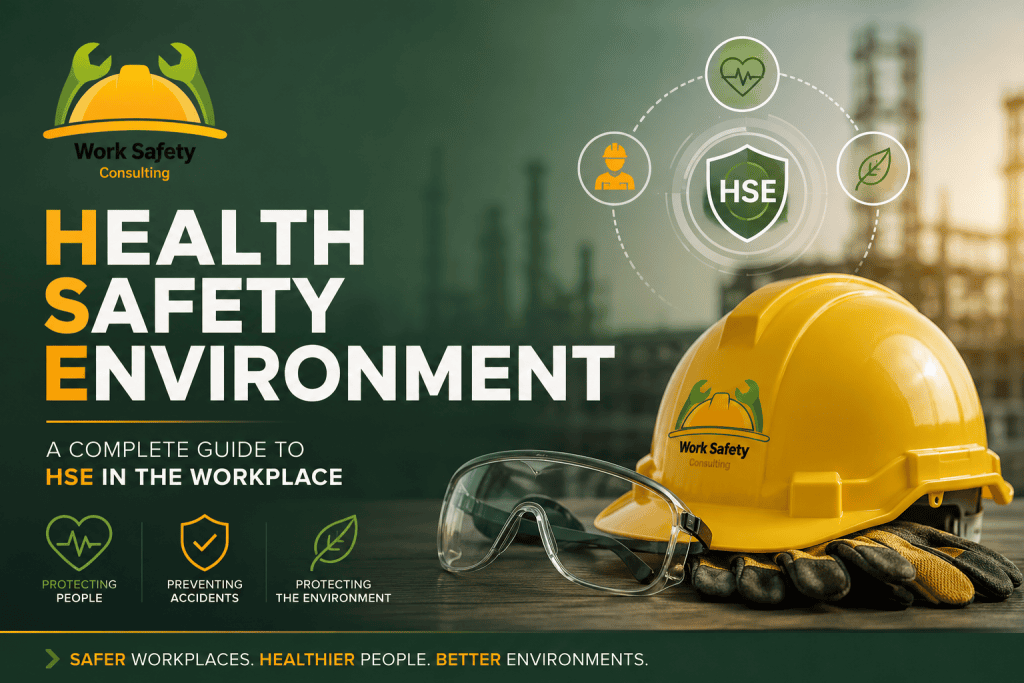
Health, Safety and Environment (HSE): A Complete Guide to HSE in the Workplace
Health, Safety and Environment (HSE) is an essential part of every successful organization. Whether a company operates in construction, mining, manufacturing, logistics, engineering, agriculture or another industry, effective HSE practices help protect employees, contractors, customers, communities and the environment.
A strong HSE system is not simply about complying with regulations. It is about creating a workplace where risks are identified before accidents occur, employees understand their responsibilities and environmental impacts are managed responsibly.
What Is Health, Safety and Environment?
Health, Safety and Environment refers to the policies, procedures and practices used by organizations to manage three key areas.
Health focuses on protecting workers from occupational illnesses, exposure to hazardous substances, poor working conditions and other workplace health risks.
Safety focuses on preventing accidents, injuries and incidents through hazard identification, risk assessment, training and appropriate control measures.
Environment focuses on reducing the negative environmental impact of business operations, including pollution, waste, emissions, spills and inefficient resource use.
Together, these areas form an integrated HSE approach.
Why Is HSE Important?
Effective HSE management can help organizations:
- Reduce workplace accidents and injuries
- Protect employee health
- Improve productivity
- Reduce operational disruptions
- Minimize environmental damage
- Improve employee morale
- Protect company reputation
- Meet legal and regulatory requirements
- Reduce costs associated with accidents and incidents
Organizations that invest in HSE often create safer, more productive and more sustainable working environments.
Key Components of an HSE System
A comprehensive HSE system usually includes:
Hazard Identification
Organizations should regularly identify potential hazards in the workplace. These may include unsafe equipment, hazardous substances, electrical risks, working at height, excessive noise, poor housekeeping and other sources of harm.
Risk Assessments
Once hazards are identified, organizations should assess the likelihood and potential consequences of those hazards. This allows appropriate control measures to be implemented.
Safe Operating Procedures
Employees should have clear procedures explaining how tasks must be performed safely. These procedures should be communicated to workers and regularly reviewed.
Emergency Preparedness
Organizations should prepare for potential emergencies such as fires, chemical spills, serious injuries, equipment failures and other incidents. Emergency plans should be communicated and tested regularly.
Employee Training
Employees need appropriate training to understand workplace hazards, safety procedures and their responsibilities. Training should be relevant to the employee’s role and level of risk exposure.
Personal Protective Equipment
Where risks cannot be adequately controlled through other measures, appropriate personal protective equipment (PPE) should be provided and correctly used.
Incident Reporting
Workplace incidents, accidents and near misses should be reported and investigated. Understanding why an incident occurred can help prevent similar events from happening again.
Workplace Inspections
Regular inspections help identify unsafe conditions before they result in accidents. Inspections should cover equipment, work areas, procedures and employee practices.
Environmental Monitoring
Organizations should monitor activities that may affect the environment. This may include waste generation, emissions, water usage, spills and other environmental impacts.
Waste Management
Proper waste management helps reduce environmental pollution and supports responsible resource use. Organizations should identify, separate, store and dispose of waste appropriately.
Health Surveillance
In workplaces where employees may be exposed to occupational health hazards, appropriate health monitoring may help identify potential health effects and support preventive measures.
The Importance of HSE Culture
An effective HSE system depends on more than policies and documents. Organizations need to develop a strong safety culture where employees and management understand that safety is everyone’s responsibility.
Management should demonstrate visible commitment to HSE, while employees should be encouraged to report hazards and participate in safety initiatives without fear of unfair treatment.
When safety becomes part of everyday workplace behavior, organizations are more likely to identify risks early and prevent incidents.
Continuous Improvement in HSE
HSE management should be an ongoing process. Organizations should regularly review their performance, investigate incidents, monitor trends and identify opportunities for improvement.
Useful HSE performance indicators may include:
- Workplace injuries
- Lost-time incidents
- Near misses
- Safety inspections completed
- Employee training hours
- Environmental incidents
- Corrective actions completed
- Employee participation in safety programs
By monitoring these indicators, organizations can identify areas that require attention and improve their HSE systems over time.
Conclusion
Health, Safety and Environment should be treated as a core business responsibility rather than simply an administrative or compliance requirement. By developing strong HSE policies, identifying hazards, training employees and actively managing workplace and environmental risks, organizations can create safer, healthier and more sustainable working environments.
A proactive approach to HSE not only protects people and the environment but can also improve productivity, strengthen employee confidence and support long-term organizational success.